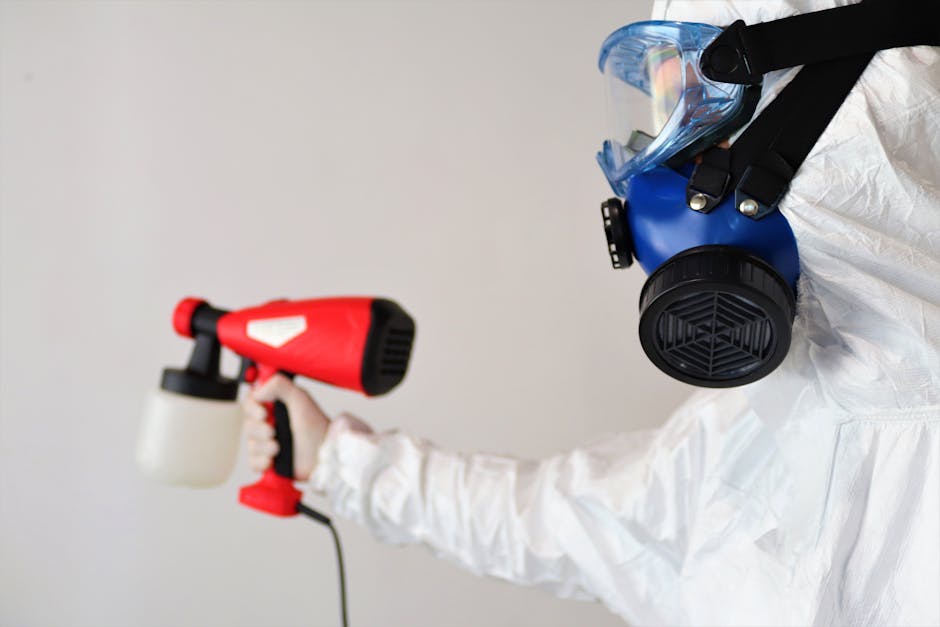
HVAC mold remediation is a critical service for commercial properties in Oakland, CA facing indoor air quality issues. Mold growth within HVAC systems can lead to health risks such as allergies, respiratory problems, and poor air circulation.
Ignoring mold contamination in ductwork and vents often results in spread throughout the building, causing widespread damage and costly repairs. Professional HVAC mold remediation focuses on identifying affected components, removing mold colonies, and preventing recurrence through thorough cleaning and system maintenance.
Businesses experiencing musty odors, increased employee sick days, or visible mold should prioritize addressing these concerns promptly. Local contractors in Oakland typically use specialized equipment and EPA-approved products to ensure safe and effective mold removal from complex commercial HVAC systems.
Understanding the scope and process of HVAC mold remediation helps property managers make informed decisions to protect their investments and occupant health.
Quick Takeaways
- HVAC mold in commercial properties in Oakland often results from moisture buildup and inadequate ventilation.
- Mold remediation contractors typically assess HVAC systems for contamination and implement targeted cleaning methods.
- Effective remediation reduces risks like airborne spores, health hazards, and equipment damage.
- Oakland businesses should expect thorough inspections, mold removal, and system sanitization as part of the process.
- Regular maintenance of HVAC systems helps prevent future mold growth and associated operational issues.
Understanding HVAC Mold Remediation and Its Importance in Oakland Commercial Properties
HVAC mold remediation involves the thorough inspection, cleaning, and treatment of heating, ventilation, and air conditioning systems to eliminate mold growth and prevent its recurrence.
In Oakland, the combination of the Bay Area's persistent humidity and the complex design of commercial properties creates an environment where mold can thrive within ductwork, coils, and drip pans. This often results in degraded indoor air quality and potential health risks for building occupants.
Professional companies in Oakland understand that mold in HVAC systems not only compromises the efficiency of heating and cooling but also spreads spores throughout commercial buildings. This situation can lead to increased maintenance costs and regulatory challenges for property managers.
Addressing mold contamination promptly through specialized remediation methods is essential to maintaining a safe and compliant commercial environment.
The Bay Area's unique climate, characterized by cool, moist air, exacerbates the risk of mold accumulation in HVAC components that may retain condensation or moisture. Additionally, many commercial properties in Oakland have older infrastructure or complex ventilation systems that require targeted remediation strategies.
Homeowners and business operators looking for HVAC mold remediation should expect contractors to employ advanced cleaning techniques and mold inhibitors tailored to these conditions.
Common Causes and Signs of Mold Growth in Commercial HVAC Systems
HVAC systems in commercial buildings frequently encounter mold growth due to persistent moisture accumulation. In Oakland, CA, the region’s humid climate can exacerbate this issue by creating ideal conditions for mold contamination. Common causes include condensation on cooling coils, clogged or poorly maintained drain pans, and leaks within ductwork.
These factors contribute to elevated moisture levels, which often result in compromised air quality and potential health risks.
Building managers should be vigilant for early signs of mold growth in commercial HVAC systems. Detectable indicators often include musty odors emanating from vents, visible mold patches on accessible components, and unexplained increases in allergy or respiratory complaints among occupants.
Additionally, reduced airflow or uneven temperature distribution can signal underlying mold contamination affecting system performance.
Key Factors Leading to HVAC Mold Growth
- Excess moisture from condensation and leaks within ducts or equipment
- Poor ventilation causing stagnant air and humidity buildup
- Infrequent maintenance, allowing dust and debris to accumulate and retain moisture
- Temperature fluctuations that encourage condensation on cold surfaces
Recognizing these causes and signs early enables property managers to address mold growth promptly, preserving indoor air quality and mitigating potential damage within commercial properties in Oakland.
Pro Tip
Commercial property managers in Oakland should prioritize regular HVAC inspections to detect early signs of mold growth and moisture accumulation. Implementing routine maintenance with professional HVAC mold remediation contractors helps prevent extensive air quality issues and costly repairs.
Early intervention reduces the risk of mold contamination spreading throughout commercial HVAC systems, protecting occupant health and preserving property value.
Step-by-Step Process of Professional HVAC Mold Remediation for Commercial Buildings
Professional HVAC mold remediation contractors in Oakland typically begin the remediation process with a comprehensive inspection to identify all areas affected by mold growth within the commercial HVAC system. This includes evaluating components such as ductwork, coils, drip pans, and filters, where mold contamination often accumulates due to moisture buildup.
Accurate assessment is essential to determine the scope of cleaning and necessary repairs.
Following inspection, professional services implement strict safety protocols to protect building occupants and technicians from exposure to airborne mold spores. These measures often involve containment of affected areas using barriers and negative air pressure systems, as well as the use of personal protective equipment (PPE) like respirators and gloves.
Ensuring safety during the remediation process minimizes health risks and prevents cross-contamination.
Typical Steps in Commercial HVAC Mold Remediation
- System Shutdown and Containment: Temporarily disabling the HVAC system and isolating mold-affected zones to prevent spore spread.
- Cleaning and Removal: Employing specialized cleaning agents and HEPA vacuuming to eliminate mold colonies from surfaces and components.
- Disinfection and Treatment: Applying EPA-registered antimicrobial treatments to inhibit future mold growth.
- Component Replacement: Removing and replacing heavily damaged parts such as insulation or filters that cannot be effectively cleaned.
- System Testing and Verification: Conducting post-remediation inspections and air quality tests to confirm successful removal and safe indoor air conditions.
Homeowners and property managers seeking professional HVAC mold remediation services in Oakland commercial buildings should expect contractors to follow these methodical steps. This ensures thorough mold elimination, improved indoor air quality, and reduced risk of costly repairs or health complications associated with lingering mold contamination.
Preventive Measures and Maintenance Tips to Avoid Mold Recurrence in Oakland Commercial HVAC Systems
Effective preventive maintenance is essential for commercial HVAC systems in Oakland to minimize the risk of mold growth and subsequent air quality issues. Due to Oakland's coastal climate, persistent humidity control remains a primary factor in preventing mold contamination.
Regular inspection and cleaning of drain pans, coils, and air filters help reduce moisture accumulation, which often results in mold proliferation.
Property managers and building operators should prioritize maintaining optimal indoor humidity levels, ideally between 30% and 50%. Utilizing dehumidifiers and ensuring proper ventilation within mechanical rooms can significantly decrease the likelihood of mold growth. Additionally, sealing ductwork leaks prevents the introduction of humid outdoor air that could exacerbate moisture problems.
Key Preventive Measures for Oakland Commercial HVAC Systems
- Schedule regular professional inspections to identify and address potential moisture sources early.
- Implement routine cleaning protocols focusing on components prone to mold, such as drip pans and coils.
- Maintain humidity control systems, including dehumidifiers and ventilation fans, to sustain ideal moisture levels.
- Seal and insulate ductwork to prevent condensation and infiltration of humid air.
- Replace air filters frequently to ensure efficient airflow and reduce particulate buildup.
Following these preventive maintenance strategies can help commercial properties in Oakland avoid costly repairs linked to mold recurrence and maintain healthier indoor environments.
HVAC Mold Remediation Cost Breakdown for Commercial Properties in Oakland, CA
| Service Type | Cost Range | Typical Timeline |
|---|---|---|
| Inspection and Mold Assessment | $300 to $700 | 1 to 2 days |
| HVAC System Cleaning and Mold Removal | $1,000 to $4,000 | 2 to 4 days |
| Air Duct Sanitization and Sealing | $800 to $2,500 | 1 to 3 days |
| Drip Pan and Coil Cleaning | $500 to $1,500 | 1 to 2 days |
| Mold Prevention Treatment and Coating | $600 to $2,000 | 1 to 2 days |
Frequently Asked Questions
How long does HVAC mold remediation typically take for commercial properties?
Professional HVAC mold remediation in commercial buildings usually spans 1 to 2 days, depending on the extent of mold contamination and system complexity. Larger or severely affected commercial HVAC systems may require up to 4 days to ensure thorough mold removal and air quality restoration.
What are the costs associated with HVAC mold remediation in Oakland commercial buildings?
Costs for commercial HVAC mold remediation in Oakland generally range from $800 to $4,000. Factors influencing pricing include the size of the HVAC system, severity of mold growth, and necessary remediation methods. Property managers should budget accordingly to avoid costly repairs from prolonged contamination.
Can mold in commercial HVAC systems affect indoor air quality?
Mold contamination in commercial HVAC systems significantly impacts indoor air quality, often resulting in elevated health risks for occupants. Mold spores circulated through ventilation can cause respiratory issues and exacerbate allergies, making timely mold remediation essential for maintaining a safe environment.
How can property managers prevent mold recurrence in HVAC systems?
Property managers should implement regular maintenance, including inspection, cleaning, and moisture control within HVAC systems. Utilizing professional services to monitor and address potential water damage and ensuring proper ventilation helps prevent future mold growth, preserving system integrity and air quality.
Is DIY mold removal recommended for commercial HVAC systems?
DIY approaches to HVAC mold remediation in commercial settings are generally discouraged due to the complexity and risks involved. Professional contractors possess the expertise and equipment necessary for safe, effective mold removal, minimizing the chance of incomplete remediation or further mold contamination.
Effective HVAC mold remediation in Oakland commercial properties safeguards indoor air quality and prevents costly health risks and property damage. Property managers should prioritize addressing mold contamination promptly to maintain safe and efficient commercial HVAC systems.
Get matched with vetted Mold Remediation in Oakland, CA via our to connect with professional contractors experienced in handling commercial HVAC mold issues.